
TMJ Treatment in Charlotte, NC
Jaw pain has a way of touching almost every part of daily life without most people realizing the source. A dull ache near the ears, popping or clicking when chewing, tension headaches, or a jaw that feels stuck or locked can all trace back to the temporomandibular joint, the small hinge connecting the jawbone to the skull. Because the symptoms often mimic other issues, many people live with discomfort for months or years before learning that a dental evaluation, not a trip to a specialist, is often where relief actually begins.
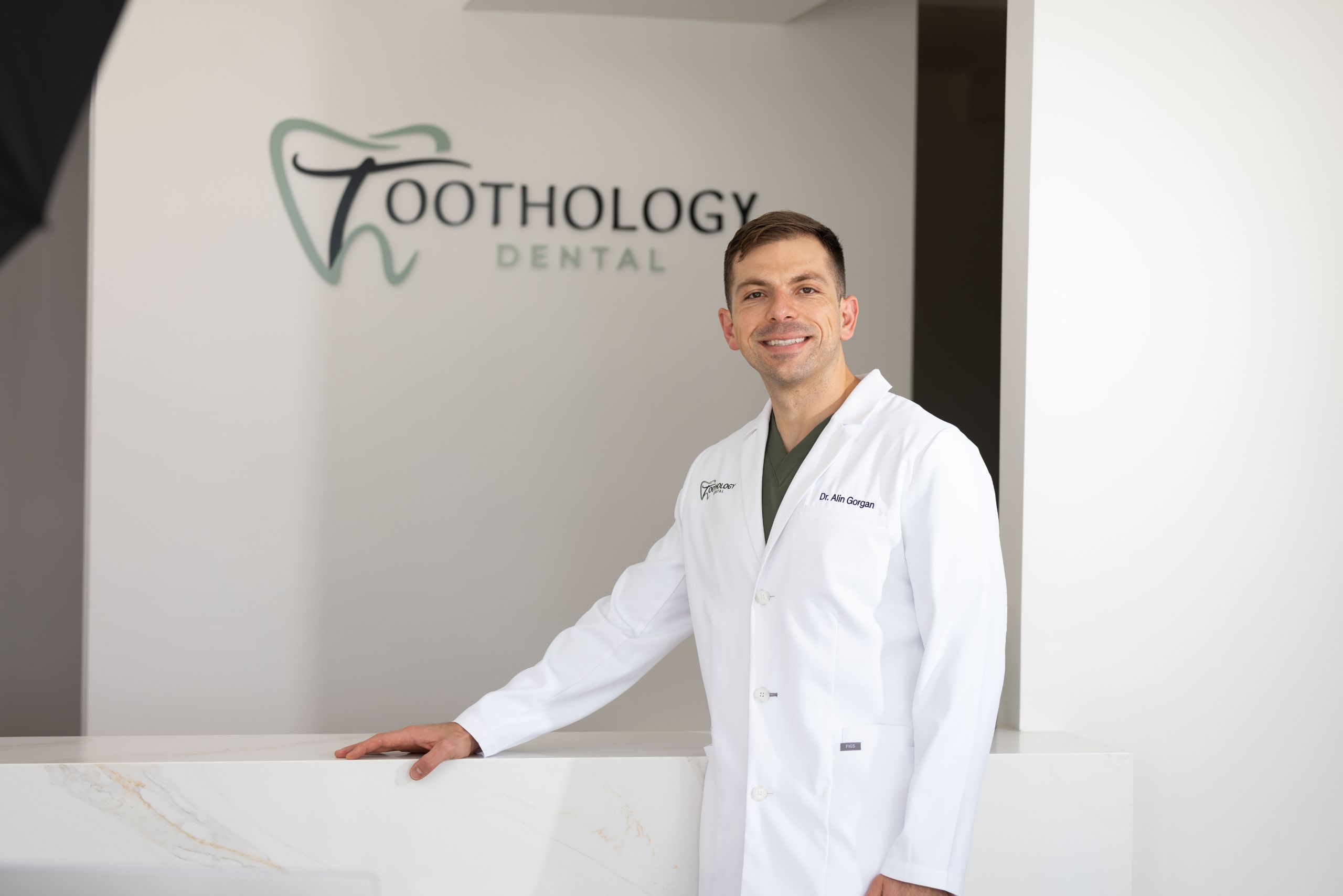
At Toothology Dental, Dr. Alin Gorgan treats TMJ disorders as part of his comprehensive scope of care, combining hands-on evaluation with the practice’s whole-body approach to dentistry. Because North Carolina’s dental board limits the use of Botox in a dental setting to therapeutic purposes, Dr. Gorgan is specifically credentialed to use therapeutic Botox treatment for jaw-related conditions, giving Charlotte patients an additional option beyond traditional night guards and physical therapy referrals. Every treatment plan starts with understanding what is actually driving the discomfort before recommending a path forward.
What Causes TMJ Disorders?
Temporomandibular joint disorders, often shortened to TMD, can stem from several overlapping causes, including chronic teeth grinding, jaw clenching, misaligned bites, arthritis, or physical trauma to the jaw. Stress plays a significant role for many patients, since tension often shows up as unconscious clenching during the day or grinding during sleep, gradually straining the joint and surrounding muscles.
Over time, untreated TMD can also affect the teeth themselves, wearing down enamel or contributing to cracked or fractured teeth that eventually require restorative treatment to repair. Because the underlying causes vary so widely from person to person, an accurate diagnosis depends on a thorough clinical exam rather than guesswork based on symptoms alone.
Signs You May Need TMJ Treatment
TMJ disorders are more common than many people realize. A literature review published in Cureus found that TMD prevalence across dozens of global studies typically ranged between 30 and 50 percent of the populations examined, making it one of the more widespread yet under-discussed dental health concerns. Recognizing the early warning signs can help patients seek treatment before symptoms worsen.
Common signs worth discussing with a dentist include the following:
- Popping, clicking, or grinding sounds when opening or closing the mouth
- Persistent jaw, ear, or facial pain, especially in the morning
- Frequent headaches or migraines with no clear cause
- Difficulty fully opening the mouth or a jaw that feels like it locks
If any of these symptoms sound familiar, an evaluation can determine whether TMJ treatment is the right next step. Sudden, severe jaw locking or intense pain warrants emergency dental care rather than waiting for a routine appointment.
How Toothology Dental Treats TMJ Disorders
Every TMJ evaluation at Toothology Dental begins with a detailed look at jaw movement, bite alignment, and muscle tension, supported by advanced diagnostic technology that helps pinpoint exactly where the joint is under strain. From there, treatment is tailored to the individual, since what works for one patient’s grinding-related TMD may not address another’s arthritis-related joint pain.
For many patients, a custom night guard designed to prevent grinding and reduce pressure on the joint is enough to bring meaningful relief. For others, especially those with muscle-related tension that has not responded to a night guard alone, therapeutic Botox can help relax the overactive jaw muscles contributing to the disorder.
Everyday Habits That Support TMJ Treatment
Professional treatment addresses the underlying cause of TMD, but a few daily habits can meaningfully support that treatment and ease symptoms in the meantime. According to Cleveland Clinic, simple steps like applying cold packs for sudden jaw pain, switching to moist heat for more persistent soreness, and sleeping on your back to keep the head, neck, and jaw aligned can all help take pressure off the joint.
Diet plays a role as well. Chewy or tough foods, hard fruits and vegetables, and even chewing gum put repetitive strain on a joint that is already under stress, so cutting back on these while working through treatment can prevent symptoms from getting worse. Posture matters too, since hunching forward at a desk pushes the jaw out of its natural alignment and adds tension that carries into the TMJ over the course of a day.
These habits are not a replacement for a proper diagnosis, especially if pain persists for more than a few months or comes with frequent headaches or dizziness. Dr. Gorgan often recommends pairing these everyday adjustments with a custom night guard or other treatment from Toothology Dental’s general dentistry team, so patients are supporting their recovery at home while addressing the root cause in the chair.
Schedule Your TMJ Consultation With Toothology Dental Now
Living with ongoing jaw pain or headaches is not something patients need to simply manage on their own. Dr. Alin Gorgan takes the time to listen, explain what is happening with the joint, and walk through every treatment option so patients fully understand their care, consistent with the judgment-free, education-focused approach that defines Toothology Dental.
If jaw pain, clicking, or morning headaches have become a regular part of your routine, contact our office to schedule a TMJ evaluation and find out which treatment path is right for you.
WHAT OUR PATIENTS SAY
Arvie Vocks Paras
Dr. Gorgan and his assistant were the best knowledgeable and comforting people you will ever have in this place. Every details and options were discussed. Every single person was friendly, it’s the kind of comfort you need when you’re in pain.